From Cryptocurrency to Critical Infrastructure
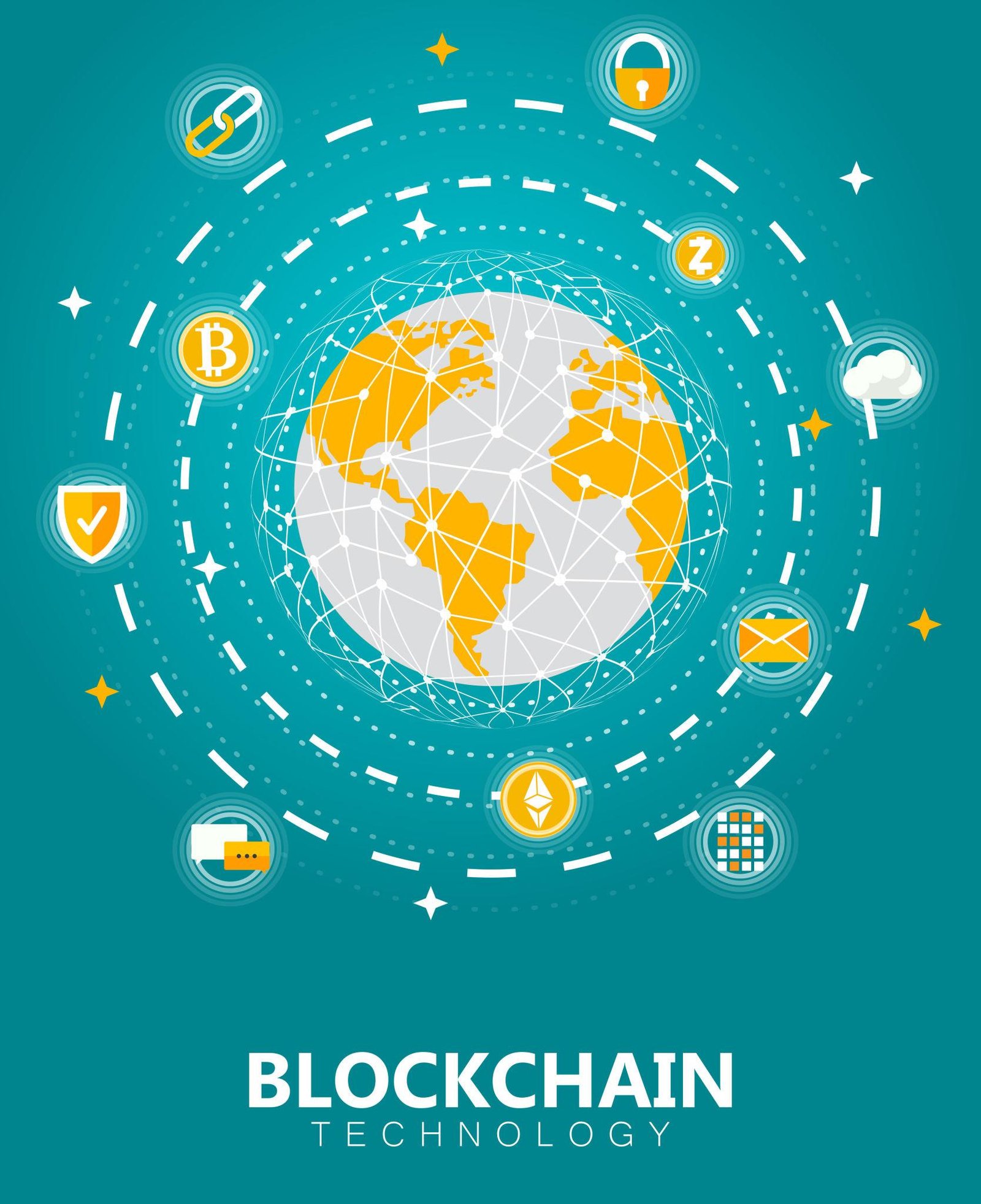
Blockchain has evolved far beyond its origins in Bitcoin. What started as a decentralized financial experiment is now becoming the foundational layer of global digital infrastructure.
In 2026, blockchain is driving innovation across finance, supply chains, healthcare, digital identity, and enterprise systems. It is no longer about speculation — it is about scalability, compliance, interoperability, and measurable business value.
The narrative has shifted from hype to implementation.
Enterprise Blockchain: The Real Growth Engine
While public networks like Ethereum pioneered smart contracts and decentralized applications, enterprises are now adopting structured, permissioned frameworks such as Hyperledger Fabric to meet regulatory and operational requirements.
Today’s enterprise blockchain use cases include:
- Cross-border payment efficiency
- Smart contract automation
- Trade finance digitization
- Fraud prevention & audit transparency
- Tokenization of physical and digital assets
Organizations are moving from proof-of-concept pilots to full-scale production systems — marking a defining transition in global blockchain maturity.
Digital Trust: The New Business Currency
In an interconnected global economy, trust determines competitive advantage.
Blockchain enables:
- Immutable data verification
- Transparent supply chain tracking
- Automated compliance processes
- Reduced counterparty risk
Governments and multinational corporations are integrating blockchain into digital identity systems, ESG reporting, trade networks, and next-generation payment infrastructures.
Digital trust is no longer optional — it is strategic infrastructure.
Regional Momentum: A Global Acceleration
Blockchain adoption is accelerating across regions:
- North America – Enterprise fintech and institutional blockchain platforms
- Europe – Regulatory frameworks and central bank digital currency initiatives
- APAC – Trade finance digitization and digital payment ecosystems
- Middle East – Government-backed blockchain transformation programs
This geographic diversification demonstrates that blockchain is not a regional trend — it is a global structural shift.
What Defines a Global Blockchain Leader in 2026?
The next generation of blockchain leadership is defined by:
- Scalable architecture
- Interoperability across networks
- Regulatory readiness
- Enterprise integration capability
- Sustainable consensus innovation
These leaders are not just adopting blockchain — they are shaping the digital trust layer of the global economy.
The Convergence: AI, Tokenization & Institutional DeFi
Looking ahead, blockchain’s impact will deepen through convergence with artificial intelligence, real-world asset tokenization, decentralized identity systems, and institutional-grade decentralized finance (DeFi).
The organizations that invest in secure, compliant, and scalable blockchain infrastructure today will define tomorrow’s economic architecture.
A Defining Moment for Global Innovation
Blockchain has transitioned from experimental disruption to enterprise backbone.
As industries navigate digital transformation in 2026 and beyond, blockchain stands at the center of secure innovation, transparency, and global value exchange.
At The Pride CEO, we continue to spotlight organizations and leaders building the next generation of decentralized infrastructure and digital trust ecosystems worldwide.