
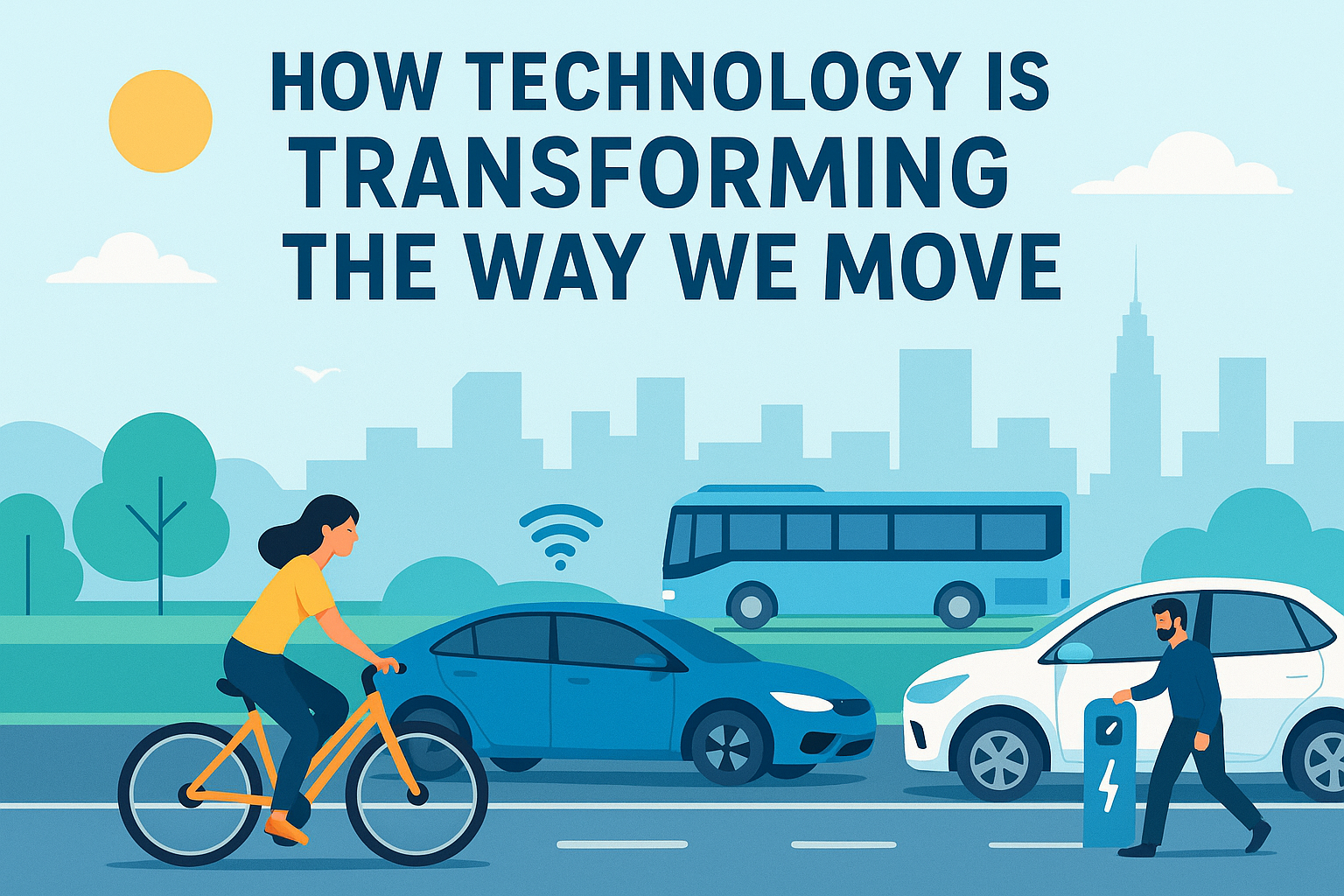
Mobility today is undergoing one of the most transformative periods in modern history. What was once defined simply as the ability to move from one place to another has now expanded into a complex ecosystem of technologies, services, and infrastructure designed to make movement faster, cleaner, safer, and more efficient. From electric vehicles and autonomous transportation to shared mobility and smart city planning, the concept of mobility is reshaping how individuals, businesses, and societies function.
The Shift Toward Sustainable Mobility
One of the biggest drivers of mobility innovation is the global push for sustainability. As cities expand and populations grow, the environmental impact of transportation has become a critical concern. Traditional fuel-powered vehicles contribute significantly to air pollution and carbon emissions, prompting governments and industries to accelerate the adoption of cleaner alternatives.
Electric mobility (e-mobility) has emerged as a powerful solution. Electric vehicles (EVs), e-bikes, and e-scooters not only reduce emissions but also offer lower operating costs and quieter operation. Many countries are introducing incentives, tax benefits, and charging infrastructure to encourage widespread adoption. The transition toward sustainable mobility is not just environmentally responsible—it is also economically strategic as global markets move toward a low-carbon future.
The Rise of Shared and On-Demand Mobility
Shared mobility is another major trend redefining how people move. Ride-hailing apps, car-sharing platforms, bike-sharing systems, and micro-mobility services are making transportation more flexible and accessible. These services reduce the need for personal car ownership, which in turn decreases congestion and parking demands in crowded cities.
On-demand mobility platforms combine real-time data, user-friendly apps, and route optimization to provide seamless travel experiences. Instead of planning trips around fixed schedules or traditional modes of transportation, users can now customize their journeys based on convenience and affordability. This shift also supports the growing lifestyle preference for subscription-based and pay-per-use models.
Autonomous Mobility: The Next Frontier
Autonomous vehicles (AVs) represent one of the most exciting advancements in mobility. Powered by artificial intelligence, sensors, and real-time analytics, self-driving cars have the potential to revolutionize transportation by reducing human error, improving road safety, and optimizing traffic flow.
While fully autonomous systems are still in development, significant progress has been made in areas such as advanced driver-assistance systems (ADAS), automated public transport, and robotics. Autonomous mobility could also reshape industries like logistics and last-mile delivery by enhancing speed and efficiency.
Mobility as a Service (MaaS): Integrating the Ecosystem
Mobility as a Service (MaaS) brings together various transportation modes into one digital platform, allowing users to plan, book, and pay for journeys through a single interface. By integrating public transit, ride-hailing, micro-mobility, and even car rentals, MaaS simplifies urban mobility and encourages the use of multimodal transport. Cities adopting MaaS benefit from reduced congestion, improved accessibility, and data-driven planning.
The Role of Smart Cities in Future Mobility
Smart cities are leveraging technology to make mobility safer and more efficient. Intelligent traffic management systems, real-time public transportation updates, connected vehicles, and sensor-based infrastructure all contribute to smoother movement. Smart parking solutions and data analytics help reduce traffic jams, while digital mapping supports more accurate navigation.
Integrating mobility with smart city elements ultimately enhances quality of life by making commuting predictable, reducing travel time, and supporting environmental sustainability.
Conclusion: Mobility Beyond Transportation
In today’s world, mobility is more than just transportation—it is a cornerstone of economic development, urban planning, and social connectivity. As technology continues to evolve, mobility solutions will become increasingly intelligent, electric, autonomous, and connected. The future of mobility lies in creating systems that are sustainable, inclusive, and efficient, ensuring seamless movement for individuals and communities across the globe.