Computer chip giant Texas Instruments (TI) will invest more than $60bn (£44.74bn) in the US, as President Donald Trump pressures big technology firms to increase manufacturing in the country.
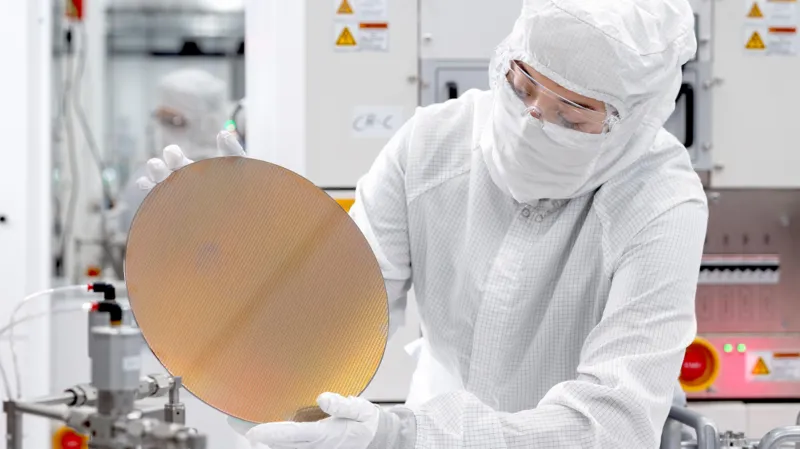
The company said it plans to build or expand seven chip-making facilities at three sites in Texas and Utah, and create 60,000 jobs. TI did not give a detailed timeline for the investment.
The Dallas-based firm described the move as the “largest investment in foundational semiconductor manufacturing in US history.”
It follows similar announcements from others manufacturing semiconductors, including Micron, which said last week that it would increase its planned spending in the US to $200bn.
“President Trump has made it a priority to increase semiconductor manufacturing in America,” US Secretary of Commerce Howard Lutnick, said in a statement on Wednesday.
“Our partnership with TI will support US chip manufacturing for decades to come.”
Like some other companies that unveiled major spending pledges, TI’s announcement includes money already earmarked to either build or expand facilities.
Some analysts have said they see such major spending announcements as attempts to placate Trump. The president has repeatedly threatened to cancel the $52.7bn CHIPS and Science Act, which was introduced by his predecessor, Joe Biden.
In December, the Biden administration finalised a $1.6bn subsidy for TI after it announced plans to invest at least $18bn to build three new facilities.
Trump has also warned of potential new tariffs on imports of semiconductors.
Unlike artificial intelligence chip companies like Nvidia, Texas Instruments makes so-called foundational chips, which are used in various devices, including smartphones and cars.
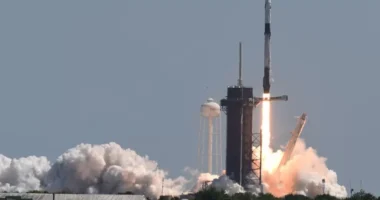
The company operates 15 sites around the world, including facilities in the US and Asia. It counts iPhone-maker Apple, Elon Musk’s rocket firm SpaceX and motor industry giant Ford amongst its customers.
Texas Instruments has faced increasing competition from Chinese manufacturers of these lower-end chips.