
1. Rafah Crossing Reopens in Gaza
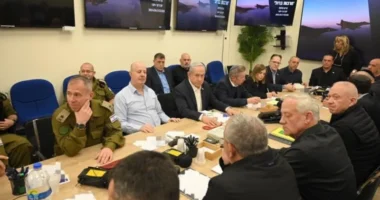
In a cautious diplomatic shift, Israel has announced the partial reopening of the Rafah crossing with Egypt to allow limited humanitarian movement, particularly for medical evacuations under international supervision. This development comes amid ongoing tensions and attempts to ease civilian hardship following intense conflict in Gaza.
2. Rising Tensions in South Asia
Pakistan’s authorities claim to have eliminated over 140 so-called “Indian-backed terrorists” in Balochistan following violent attacks — a claim that has drawn sharp reactions from New Delhi and could escalate bilateral tensions. While details remain contested on both sides, this narrative highlights persistent friction in the region’s security dynamics.
3. Rally in Support of Czech President
In Europe, protests unfolded in the Czech Republic as citizens rallied behind President Petr Pavel amid a growing political rift with the government, signaling domestic political strain in a key EU state.
Elections in Focus — Shaping the Political Map
1. Costa Rica’s Presidential Race
Preliminary results from Costa Rica indicate that the outgoing president’s chosen successor is now leading the crowded presidential contest — a sign that continuity in governance might be favored by voters ahead of final results.
2. Japan’s Upcoming General Election
Japan is poised for a major political event: the 2026 general election scheduled for next week on February 8. The contest will decide all 465 seats in the House of Representatives and tests Prime Minister Sanae Takaichi’s popularity after her recent ascent to office and a strategic realignment of coalition partners.
3. Thailand Heads to the Polls
Likewise in Southeast Asia, Thailand is also preparing for a general election on February 8, 2026, which includes a referendum on constitutional change. This comes after successive government collapses and represents a decisive moment for Thai politics as multiple parties compete for parliamentary control.
🇮🇳 India: Budget, Economy & Strategic Policies
1. Union Budget 2026 — Security & Development Focus
India’s Union Budget 2026 has put a clear emphasis on infrastructure development, strengthening national security, and boosting indigenous manufacturing — notably in rare earths and strategic sectors. Financial markets reacted with volatility following the announcement, indicating investor concerns about allocations and fiscal priorities.
2. Tobacco Policy Shift
A new excise duty on tobacco products has come into effect, resulting in a significant rise in cigarette prices — a move expected to influence consumption patterns and public health debates in India.
3. Navigating Global Trade Pressures
India’s economic planning under Prime Minister Narendra Modi appears geared toward insulating domestic industries from potential external threats, including rising protectionist rhetoric from major trade partners, highlighting a more assertive economic posture.
4. Agriculture Sector Gathering
The Indian Micro-Fertilizers Manufacturers Association (IMMA) is set to host the 6th National Crop Nutrition Summit, underscoring efforts to strengthen agricultural inputs and support the rural economy.
Society, Culture & Miscellaneous Highlights
1. Education & Social Awareness
School assembly news today features not just global headlines but also India’s domestic priorities — from international cricket matches to evolving education policies and social development topics that shape young minds.
2. Astronomy & Culture
The Snow Moon of February 2026 has sparked public interest across cultural and lifestyle platforms, symbolizing emotional introspection and personal renewal — a reminder of how celestial events continue to blend with contemporary cultural narratives.
Wrapping Up — What This Means
Early February 2026 showcases a mix of high-stakes geopolitics, crucial elections, and economic policymaking around the world and in India. Voters are soon heading to the polls in key democracies like Japan and Thailand, which could reshape regional blocs and strategic alliances. Meanwhile, economic strategies and social policies are evolving in response to both domestic needs and global pressures.
Staying updated with these developments not only informs citizens but also deepens our understanding of how interconnected the modern world really is — from border crossings and ballot boxes to budgets and global markets.