A duty-free loophole for low-value packages has been closed by President Donald Trump, pushing up prices for US customers of firms like Shein and Temu.
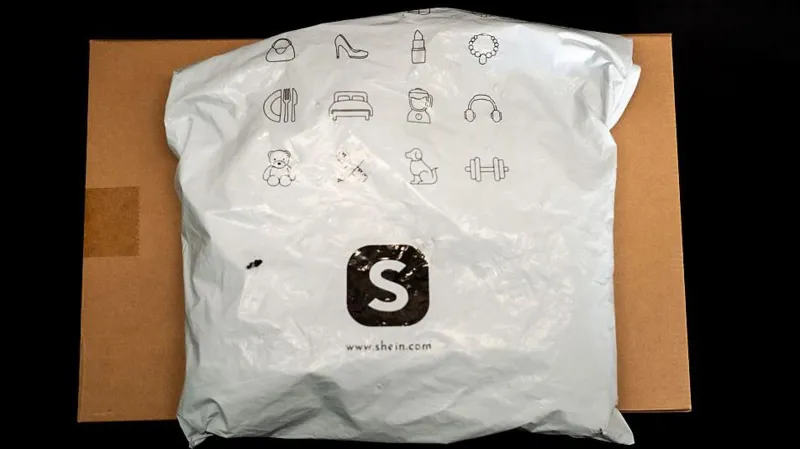
The Chinese online retail giants relied on the so-called “de minimis” exemption to sell and ship low-value items directly to the US without having to pay duties or import taxes.
Supporters of the loophole, which applied to parcels worth less than $800 (£600), argue it helped streamline the customs process.
But both Trump and his predecessor, Joe Biden, said it damaged American businesses and was used to smuggle illegal goods, including drugs.
What was the de minimis exemption?
De minimis is a Latin term, which loosely translates to English as “of the smallest”.
In this context it refers to a US trade rule enacted by Congress in 1938 to avoid the expense of collecting only small amounts of import levies.
In the 21st Century, after a series of rises to the threshold, it allowed retailers to ship packages worth less than $800 to US customers without having to pay duties or taxes.
Shipments under the exemption accounted for more than 90% of all the cargo entering the US, according to the country’s Customs and Border Patrol (CBP).

Chinese online retailers like Shein and Temu benefited greatly from the loophole.
Both platforms attracted millions of US customers with marketing blitzes that showcased their ultra-low prices
And it was the de minimis exemption that helped them offer those deals so cheaply.
Shein and Temu did not immediately respond to BBC requests for comment.
However last month, in almost identical statements, the rival companies said they have seen operating expenses rise “due to recent changes in global trade rules and tariffs”, adding they will make “price adjustments” from 25 April.
Why has Trump closed the loophole?
In February, Trump briefly closed the loophole.
The suspension was quickly paused as customs inspectors, delivery firms and online retailers struggled to adapt to such a major change at short notice.
During the initial suspension of the exemption the US Postal Service temporarily stopped accepting parcels from mainland China and Hong Kong.
The executive order announcing the latest move said it was aimed at tackling the illegal importation of synthetic opioids like fentanyl.
It said many Chinese shippers use deceptive practices to hide illicit substances in low-value packages “to exploit the de minimis exemption”.
“These drugs kill tens of thousands of Americans each year, including 75,000 deaths per year attributed to fentanyl alone,” it added.