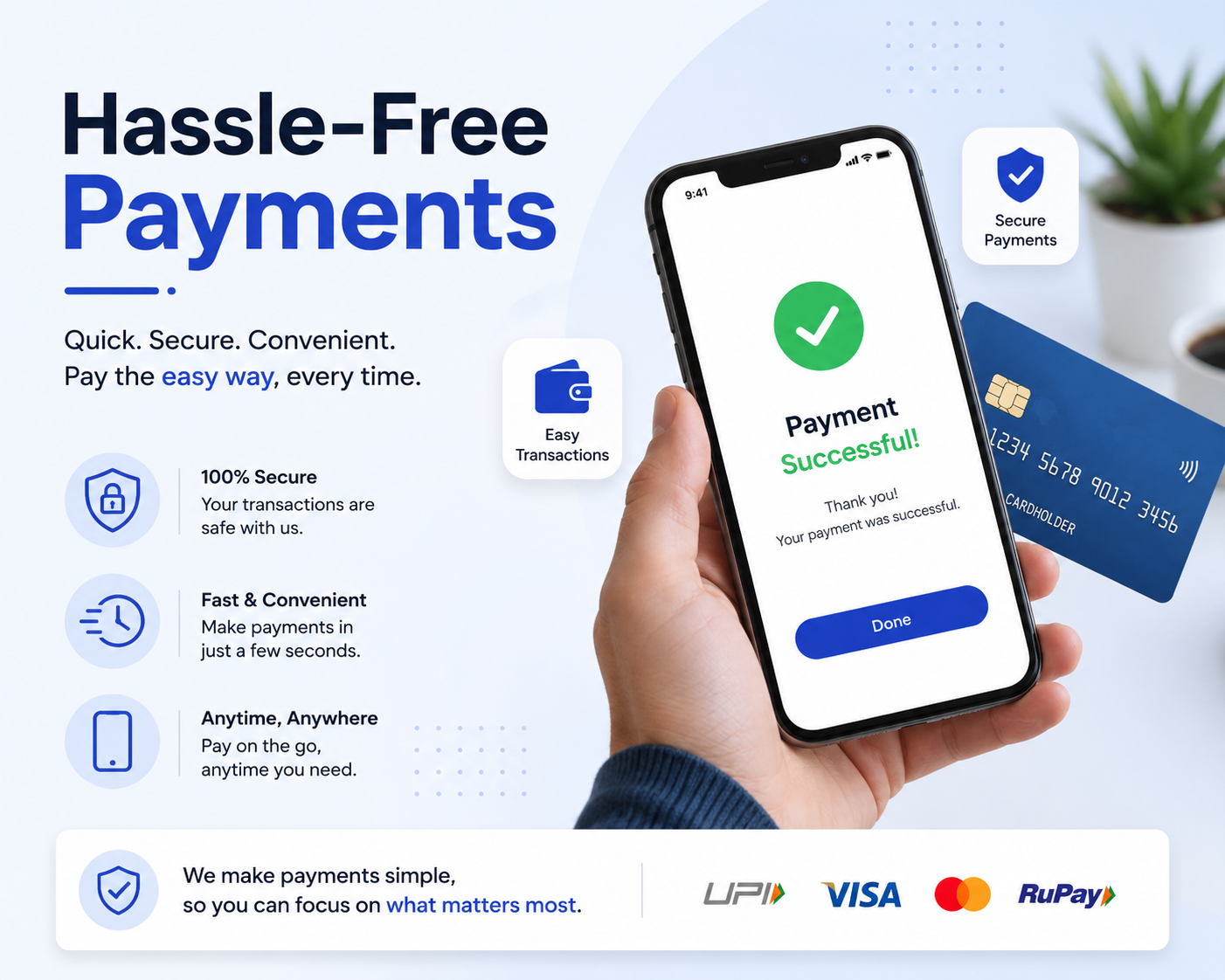
Most businesses pour their energy into the top of the funnel — ads, influencers, SEO, referral programs — chasing every possible way to get a customer to the door. Then, at the very last step, the moment the customer is ready to hand over money, they lose them. Not because the product was wrong or the price was too high, but because paying was simply too much trouble.
It sounds like a small thing. It isn’t. Payment friction is one of the biggest, most fixable revenue leaks in business today, and the businesses that solve it aren’t just saving sales, they’re building a genuine competitive edge.
The Hidden Cost of a Clunky Checkout
Across e-commerce, the average cart abandonment rate has hovered stubbornly around 70% for years, according to research aggregated by the Baymard Institute. Globally, an estimated $4 trillion worth of merchandise gets abandoned in online carts every year, though only a fraction of that, roughly $260 billion, is genuinely recoverable through a better checkout experience rather than idle browsing.
The pattern is consistent across studies: a long or complicated checkout process is one of the top reasons shoppers walk away, right alongside unexpected costs that show up only at the final step and being forced to create an account just to complete a purchase. Mobile makes the problem worse. Shoppers on phones abandon carts at noticeably higher rates than those on desktop, largely because small screens amplify every bit of friction, tiny form fields, fiddly autofill, and slower load times on cellular networks.
This matters because the businesses spending money to drive traffic are, in effect, pouring water into a bucket with a hole in it if the payment step isn’t fixed first.
What “Hassle-Free” Actually Means to a Customer
“Easy payments” isn’t a vague feel-good phrase, it has a few concrete ingredients:
Speed. Baymard’s usability research suggests an ideal checkout can be completed in as few as 12 to 14 form fields. Every extra field, every unnecessary click, is a chance for a customer to reconsider and leave.
Choice. Customers expect to pay the way they already pay everywhere else. Forcing someone toward a single payment option, especially one they don’t trust or don’t use, is one of the fastest ways to lose a sale.
Mobile-first design. With mobile traffic now making up the majority of online shopping visits, a checkout that wasn’t built for a six-inch screen is built for failure.
Upfront transparency. Hidden shipping costs or fees that appear only at the final screen are one of the most cited reasons for abandoned purchases. Showing the full cost early builds trust instead of breaking it.
Visible trust signals. Security badges, clear refund policies, and recognizable payment logos quietly reassure a hesitant buyer that it’s safe to proceed.
The India Lens: UPI Has Reset Customer Expectations
In India, this conversation has a very specific, very recent shape: UPI. The Unified Payments Interface processed over 21 billion transactions in a single month as of early 2026, and annual UPI volumes have grown explosively over the past two years. It has become the default rail for everything from a roadside chai stall to a six-figure online order.
What’s notable is how small the average transaction has become. Industry data shows the typical digital wallet payment now sits at only a few hundred rupees, a sign that digital payments aren’t reserved for big-ticket purchases anymore; they’re woven into everyday spending. For a small or growing business, this means a customer’s expectation isn’t just “can I pay digitally,” it’s “can I pay instantly, with the app already on my phone, without typing in card numbers or waiting for a confirmation SMS.” A business that still relies only on cash on delivery or a single payment link is quietly filtering out a large share of ready-to-buy customers.
Turning Payment Ease Into a Growth Engine
The encouraging part is that this is one of the more solvable problems in business. A few moves tend to deliver the most impact:
Offer the two or three payment rails your specific customers already trust, rather than trying to support everything. For most Indian businesses today, that means UPI alongside cards and at least one wallet option.
Let returning customers skip the typing. Saved cards, UPI autopay for recurring purchases, and one-tap checkout options measurably reduce abandonment, particularly on mobile.
State the full price, including shipping and taxes, before the final screen, not after.
Consider a Buy Now, Pay Later option for higher-value purchases. Industry data suggests BNPL availability can meaningfully reduce abandonment on orders above a certain ticket size, especially among younger shoppers.
Don’t treat an abandoned cart as a dead end. A well-timed follow-up message can recover a meaningful share of lost sales; abandoned cart emails consistently outperform standard promotional emails in both open and conversion rates.
The Payoff
None of this is cosmetic. Baymard’s research suggests that large e-commerce sites can see conversion improve substantially through better checkout design alone, meaning more completed purchases from the exact same traffic a business is already paying for. Beyond the immediate sale, a frictionless payment experience is also what brings a customer back a second and third time, and what they end up describing to a friend, “ordering from them was so easy.”
In a crowded market, where most products and prices look similar across competitors, the experience of actually paying may be one of the last places left to genuinely differentiate. Customers rarely write reviews praising a checkout page. But they absolutely remember, and avoid, the businesses that made paying them feel like a chore.
The businesses that win the next few years won’t necessarily have the loudest marketing. They’ll be the ones that made it effortless to say yes.